Understand Airborne Hazardous Dust
Dust is everywhere. Until you actively remove it.

We can do it for you.
At Mold Free, we have
Cutting-Edge Tech
Proprietary ozone blasters, medical-grade HEPA filters (MERV 22), engineered in-house for unmatched decontamination.
Elite Specialists
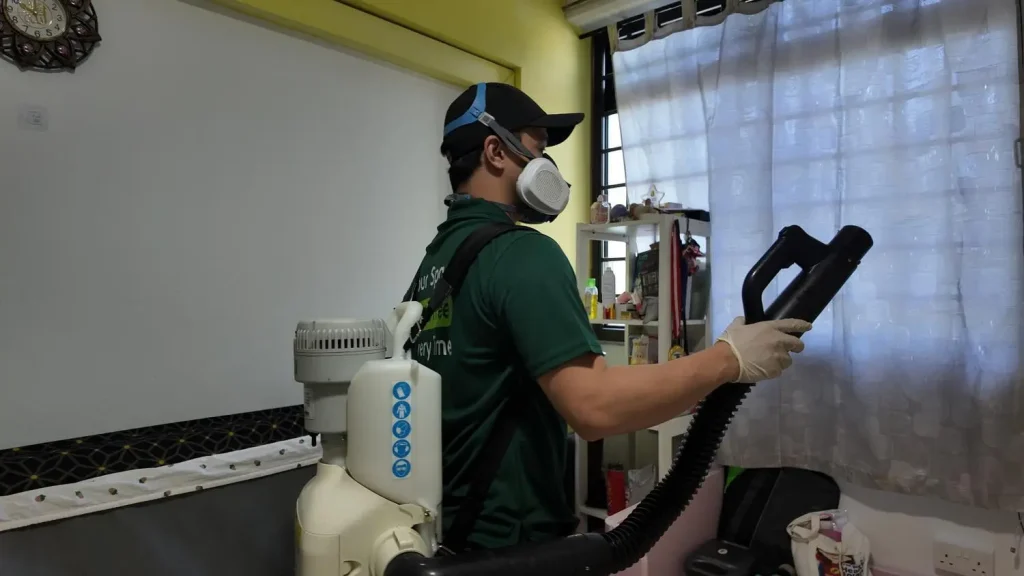
147+ hours of training, ITE-certified, with weekly skill upgrades to stay razor-sharp.

EPA-Approved Chemicals
Handpicked, premium-grade disinfectants (Quat/H2O2-based) rigorously tested for safety and effectiveness.

High Safety Standards
ISO-certified, BizSafe 3, with KPIs tracking every specialist's performance.

Industry Trusted
EMAS-affiliated, serving 100,000+ homes and businesses with white-glove care.
Coexisting with dust or breathing clean & fresh air? The choice is yours.
The air you breathe carries more than just oxygen.
Hazardous airborne particles remain suspended in the air, invisible to the naked eye. Learning about them is the first step to protecting yourself.

Large Particles
>100 μm
Fall out quickly
(terminal velocities less than 0.5 m/s)
Textile fibers, dust mites, room dust, soot aggregates, sand, gravel

Medium Particles
1 - 100 μm
Settle slowly
(sedimentation velocities greater than 0.2 m/s)
Pollen, hair, large bacteria, plant spores, mold spores, haze particles

Small Particles
< 1 μm
Take days to years to settle in a quiet atmosphere; may never settle in turbulence; can be washed out by rain
Viruses, small bacteria, soot, tobacco smoke

What are Airborne Particles?
Hazardous airborne particles are specks of dust, smoke, and chemicals floating in the air. They might be invisible, but they can have a big impact on your health, the environment, and even the climate. These fine particulate matters are a mix of natural and man-made stuff.
- Dust, soot, and smoke (from fires or car exhaust)
- Aerosols and liquid droplets (pollution and industrial fumes)
- Metals, chemicals, and even bits of soil
The smaller these contaminants are, the scarier they are for your health.
Their size determines how deep they get into your body and how much trouble they can cause.
PM10
(10 microns or smaller)Small enough to inhale into your lungs. Your nose and throat catch most of them.
PM2.5
(2.5 microns or smaller)These fine particles slip past your body's defences, reaching deep into your lungs and even your bloodstream. Linked to serious health risks like heart disease and asthma.
Nanoparticles
(smaller than 100 nanometers)Mostly from burning fuel (cars, factories, wildfires). So tiny they can cross into organs. Researchers are still uncovering their full effects.
Dangers of Toxic Dust Exposure
Toxic dust isn't just a problem in factories—it is lurking in your home, too. From hormone-disrupting chemicals in household dust to lung-damaging particles in industrial settings, exposure to airborne contaminants poses serious risks. Here is what you need to know.
- Respiratory Damage
Inhaling dust, whether asbestos in factories or mold spores at home, can trigger asthma, COPD, or silicosis (a scarring lung disease). Airborne contaminants can clog lungs for good. Kids are especially vulnerable.
- Cancer Risks
Carcinogens like silica and PFAS (“forever chemicals”) are linked to lung, larynx, and ovarian cancers, mesothelioma, and more. You might not feel the symptoms until decades later.
- Brain and Body Damage
Heavy metals (lead, cadmium) and hormone disruptors (phthalates) harm neurological health and child development. Consequences include memory loss, nerve damage, and long-term organ stress.
Air Quality and Dust Control
If you understand airborne hazardous dust and the risks it brings, it is time to consider air scrubbers and purifiers. They are your best defence against hidden airborne threats.

Remove Dangerous Particles
HEPA filters capture 99.97% of dust, pollen, and even bacteria, while advanced scrubbers capture mold, VOCs, and odors.
Protect Your Health
Reduce allergy triggers, asthma flare-ups, and long-term respiratory risks by filtering out harmful contaminants.

Stop Contamination at the Source
Air scrubbers actively clean the air, making them essential during renovations, construction, or after water damage.
Whole-Home Purification
When integrated with your HVAC, scrubbers enhance airflow while keeping your system running efficiently.
Air purifiers are perfect for daily use in homes, quietly removing allergens and fine dust.
Air scrubbers provide heavy-duty protection for construction sites, mold remediation, or severe air quality issues.
Explore Our Solutions
Why Choose Us?
You can't see them, but toxic fine particles linger in your air, threatening your health. Mold Free doesn't just clean surfaces; we purify your air with science-backed solutions that remove even the most dangerous microscopic contaminants.
Mold Free Is Singapore's #1 Trusted Air Defender
Advanced Particle Removal
Our HEPA-grade filtration and proprietary decontamination tech capture and destroy:
- Mold spores (as small as 1 micron)
- Bacteria and viruses
- Chemical off-gassing (VOCs, formaldehyde)
- Dust mites and allergens
Proven Safe and Effective
- Uses hospital-grade air scrubbers to trap 99.97% of fine particles
- Non-toxic, eco-friendly treatments; safe for kids, pets, and sensitive spaces
- Government-certified chemicals that neutralize toxins, not just mask them
Backed by Science, Trusted by Experts
- 10+ years specializing in indoor air detox
- Used in clinics, schools, and homes across Singapore
- Lab-tested results showing measurable air quality improvements
- Dedicated R&D team that constantly tests and refines particle-removal technologies to combat evolving air quality challenges
Perfect For All
- Families worried about mold spores triggering allergies or asthma
- Businesses that need cleaner air for employees and customers
- Property managers addressing tenant health concerns
- Anyone who wants to breathe easier at home or work
Do not gamble with the air you breathe.
Call Mold Free for a FREE air quality consultation
Frequently Asked Questions
What is the difference between PM2.5 and PM10 particles?
PM2.5 particles (≤2.5 microns) are so small that they bypass lung defences and enter your bloodstream. It is bad for your heart and other organs. PM10 particles (≤10 microns) get trapped in your lungs and cause respiratory health risks. Testing reveals that Singapore homes often have 3-5 times higher PM2.5 levels than outdoor air due to poor ventilation.
Can airborne mold particles make me sick?
Yes, mold spores (2-10 microns) are a genuine health hazard. These microscopic spores trigger allergic reactions, asthma attacks, and chronic sinus problems. What’s worse, mold grows rapidly in our tropical climate, often hidden behind walls or under floors. If you notice musty odours or worsening allergies at home, it is likely mold spores are circulating in your air.
How do I know if my home has hazardous airborne particles?
Your home gives clear warning signs: persistent musty smells, visible mold, allergy symptoms that improve when you are out, and dust that reappears unnaturally fast. These all indicate poor air quality. Our professional testing goes beyond guesswork, using particle counters and lab analysis to identify exactly what you are breathing.
How often should I test for airborne hazards?
For most homes, annual testing suffices, but high-risk situations demand more frequent checks. Homes near construction should be tested quarterly, while any water damage, renovations, or new health symptoms warrant immediate assessment. Testing is especially crucial before and after major life events like pregnancies or when elderly family members move in.
Can air purifiers eliminate all airborne particles?
No system removes 100% of particles, but our commercial-grade purifiers come remarkably close. We remove 99.99% of fine and ultrafine particles. Our air scrubbers improve air quality and control dust to scientifically proven safe levels. It is a dramatic improvement over unfiltered indoor air. For vulnerable groups like children, the elderly, or those with respiratory conditions, this reduction can make all the difference in daily comfort and long-term health.