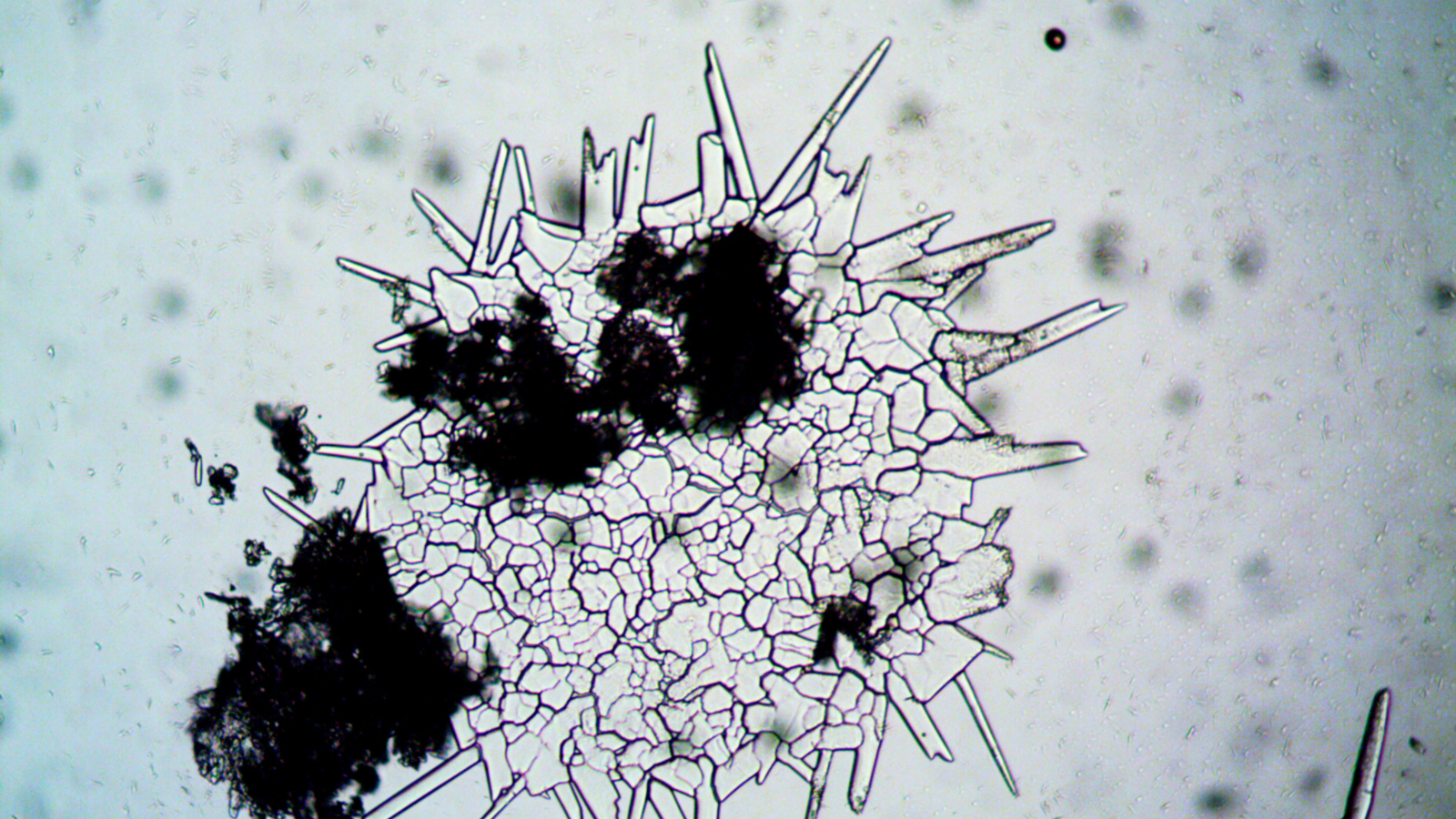
Singapore homeowners know mold all too well. Our steady heat and 80% relative humidity with the all too frequent sudden rain are the primary factors of mold growth.
On top of that, confined spaces like HDB flats and condos create ideal breeding grounds for mold to thrive.
From bedrooms cooled by aircon all night to steamy kitchens, damp walls due to condensation become one of the primary factors of mold growth.
Request a same-day mold inspection.
Why does mold thrive in Singapore’s weather?
Mold is a fungus that feeds on moisture in your walls, ceilings, and even furniture. The fungi send tiny spores into the air, which are ready to grow wherever the conditions are ideal.
Singapore homes face serious mold risks due to:
- Year-round humidity that rarely drops.
- Tight spaces, like HDB bomb shelters, and compact bedrooms, also trap still air.
- Moist zones such as bathrooms, service yards, and kitchens that get wet and rarely dry.
You may spot black mold, green mold, or white fuzzy mold showing up on HDB walls or condo ceilings, usually after water leakages.
But these are not the only mold signs in Singapore homes.
The obvious mold signs in Singapore homes
- Musty or damp smell
The most common sign of mold in Singapore homes is a damp and musty odour that won’t go away. If you notice a wet, laundry-left-in-the-corner scent, chances are mold may be taking root where you can’t see, like under a wardrobe or behind a bomb shelter wall. If you catch that smell when you step inside a room, you can be sure of mold growth in your home.
Contact odour removal specialists
- Visible spots and stains
One of the first mold warning signs in Singapore is spotting. If you see patches of discolouration along walls, ceilings, or bathroom tiles, take a closer look.
Mold appears as black, dark green, or dark brown patches with fuzzy, irregular edges. Unlike with regular dust, these stains spread over time, especially in places like aircon ducts, bathroom corners, and ceilings.
Condo residents should pay special attention to false ceilings, as these are hotbeds for mold growth.
Hidden leaks along pipes from upstairs units also let mold grow in silence.
Tip: The difference between mold and a regular watermark is how mold deepens and darkens if left untreated.
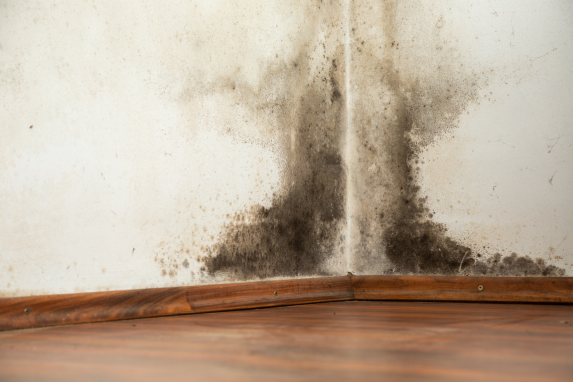
3. Damp walls and peeling paint
Stored moisture creates an ideal environment for mold to flourish beneath the surface.
When walls feel damp to the touch, you might soon notice the paint or plaster bubbling. The paint may even peel away in sheets.
This problem is common in older HDB bathrooms and units with long-term water seepage.
4. Condensation on windows and walls
Singaporeans love their cool, air-conditioned living spaces. But running the AC constantly can cause another problem: condensation.
When your bedroom walls and windows cool overnight, water droplets can collect on your walls. That moisture isn’t harmless. It creates the right conditions for mold to grow.
In high-aircon spaces like offices and condos, droplets on the glass often precede dark mold patches along the sills and spread to the walls.
So, if you spot condensation regularly, take immediate action. Otherwise, you’ll need to deal with a fully developed colony on those surfaces sooner or later.
5. Health symptoms among occupants
Sometimes the body notices mold before the eyes do. In most homes, symptoms like sinus congestion, coughing, and itchy eyes start appearing among the occupants. People with asthma, the elderly, or children often feel these effects first.
The NEA and MOH stress cleaning and aerating your living space to avoid mold-related triggers of these health issues.
If any of your family members keeps complaining of breathing problems only while inside your house, it’s wise to seek an assessment for mold. Early action can help protect your health in the long term.
6. Spots on furniture and fabric
Nothing ruins a holiday spirit faster than coming back home and finding green or white mold growth on your leather sofa, wooden shelves, or favourite shoes and tops.
In Singapore, the problem is worse in storerooms and bedrooms where the fan hasn’t been on for days.
Mold grows quickly on organic stuff like fabric and leather, and once it starts breeding, those expensive items can be scarred for life.
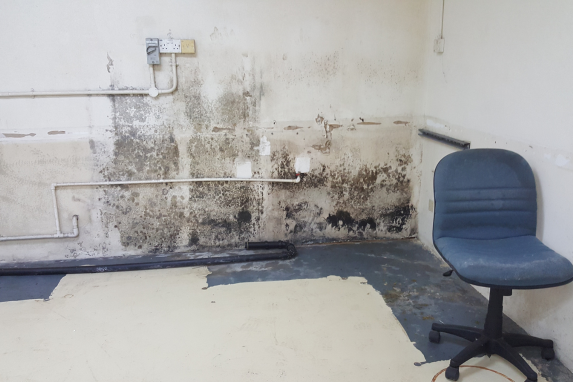
Pay attention: Is it mold? Or is it mildew?
Mold is a fungus, and it looks and smells different from mildew. Mildew is usually lighter in colour and easier to wipe off. Signs of mildew appear in the form of powdery white or grey patches, and it typically sits only on the surface.
Mold, however, is darker, thicker – black, green, or fuzzy – and spreads quickly when unchecked. Mold can also burrow into the things it lives on.
If you’re unsure, ask for a mold assessment.
Mold hotspots in Singapore homes
- Bathrooms & toilets
Enero tiles, ceiling, and shower corners are common places to hide green and white mold.
- Kitchens and service yards
Sink cabinets, the washing machine area, and the dish rack can be breeding grounds for mold if they are damp for longer periods.
- Aircon and ducts
Where dust meets moisture, your filters and ducts become an ideal haven for mold growth.
- Bedrooms
Windows, curtain linings, and the insides of wardrobes are common spots where mold patches tend to appear.
- Bomb shelters and other confined spaces in HDB flats
Most HDB bomb shelters are used as storage space. The poor airflow leads to musty odours and hidden fungus that can affect the stored goods.
What to do if you see mold in your home in Singapore?
You can tackle small mold problems at home by being proactive and following these suggestions:
- Keep your space well ventilated
During the rainy season, keep the door open, run ceiling or table fans, and use a portable dehumidifier in the bomb shelter.
- Quick DIY scrub
If you see a tiny mold spot, spritz white vinegar, sprinkle baking soda, or use a ready-to-use mold and stain remover from the nearest DIY store.
- Shield the vulnerable surface
After the mold vanishes, coat the walls with an anti-mold wall paint. Choose a Singapore-based brand to reduce recurrence.
When to call a professional mold removal service?
Unfortunately you can’t combat all mold infestations yourself.
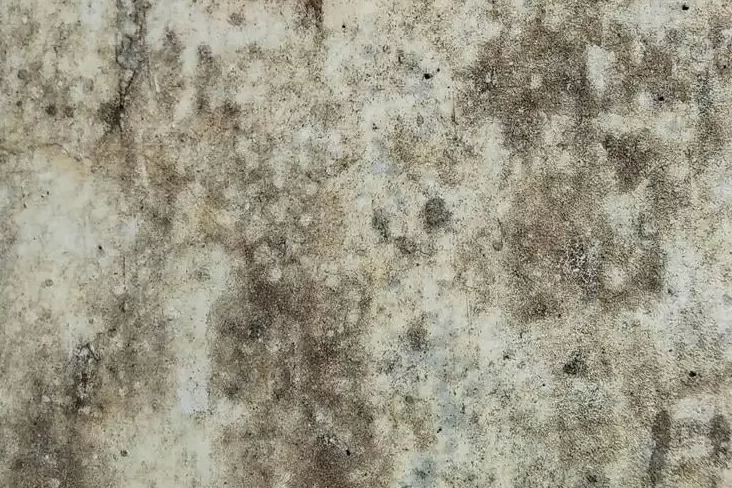
You may need an expert if:
- Mold outpaces the effectiveness of your DIY sprays
- Wet patches remain on the wall even after cleaning and touching up the paint.
- Family health issues linked to mold worsen or fail to improve.
Professional mold removal companies use HEPA air-scrubbers and anti-microbial treatments to remove mold and prevent regrowth.
Why hire a mold removal expert in Singapore
Hiring an expert for professional mold removal in Singapore ensures the mold is not just removed but also contained and treated properly.
Here is what a full-service company can offer you:
In-depth inspection
Professional mold removal experts in Singapore use infrared cameras to find hidden leaks in ceilings and behind wall cavities.
Child and pet-safe products
Firms use strong mold removers not found in stores, yet gentle enough for your little ones and furry friends.
Lasting prevention
After scrubbing, we add advanced coatings and moisture-control tech, making it tough for mold to grow again.
The difference between tackling mold yourself and bringing in a professional is huge. Certified teams have tools that DIY kits can’t match. Special vacuums for trapping spores, moisture sensors to find hidden dampness, and protective sealants that keep mold from returning.
Professional services cater to HDB mold remediation, condo mold infestations, and even offices that require regular upkeep. If mold keeps coming back, call a licensed mold removal company for an expert look. It only takes a quick chat to find the right team.
FAQs
- What are the most common signs of mold growth in Singapore homes?
Mold signs in Singapore are hard to miss. You might detect mold in homes by a strong, musty smell that never seems to go away. You might also see black and green patches on walls and ceilings. Other clues include paint that’s peeling or bubbling and damp spots in bathrooms, kitchens, and HDB bomb shelters.
2. How can I detect mold in an HDB flat if it’s not visible?
If mold isn’t showing on the surface, you can still spot it through signs around the flat. Here are some common indications of mold:
- A stronger-than-usual musty smell
- sneezing and sinus problems that happen only when you’re at home
- windows or walls that sweat with extra condensation after the air-con is off
Mold can hide behind wardrobes, under the sink, and even inside air-con units.
3. What are the health symptoms of mold exposure that Singapore residents should watch for?
Living with mold can make your body react in frustrating ways. Watch out for a cough that won’t let up, sneezing or a runny nose, itchy and watery eyes, skin rashes, and shortness of breath. A strong hint that mold is in the flat is when symptoms improve the moment you step outside, even for just a little while.
4. Why Does My HDB Flat Keep Getting Black Spots on the Walls and Ceiling?
Those dark patches are usually mold, and Singapore’s weather is the perfect greenhouse for it. If your flat has poor airflow, the mold finds a happy home in closed-off areas.
5. Can I remove mold myself, or do I need a professional?
You can tackle small patches (less than 1m²) if you wear a mask and gloves and use the right cleaner. For bigger problems or if the mold keeps coming back, it’s better to bring in a trained team.
6 . How can I prevent mold from returning after removal?
Keep your indoor humidity below 60%—a dehumidifier or air-conditioner works well. Fix any leaks right away and improve airflow in your home. Apply anti-mold paint once the mold is gone, for longer-lasting protection.