Windows are one of the most predictable spots for mold in Singapore homes, but the exact cause varies more than most homeowners expect — condensation, wind-driven rain, degraded seals, and even curtains can all be responsible. This article breaks down why windows are such a consistent mold location, the specific causes behind frame, sill, and corner mold, how window type and orientation change the risk, and practical prevention steps that don’t require replacing the window itself. It closes with guidance on when window mold points to something bigger than condensation.
Table of Contents
Why Mold Around Windows Are a Predictable Spot for Mold
Why Windows Are a Predictable Spot for Mold
Windows sit at a natural boundary between indoor and outdoor conditions, which makes them one of the most consistent mold locations in any home, regardless of how well the rest of the property is maintained. The glass and frame are usually the coolest surfaces in a room relative to indoor air, they’re a common entry point for wind-driven rain, and window sills tend to collect dust and moisture together — providing both conditions mold needs in one small, frequently overlooked area.
Common Causes of Mold Around Windows
Condensation From Indoor-Outdoor Temperature Differences
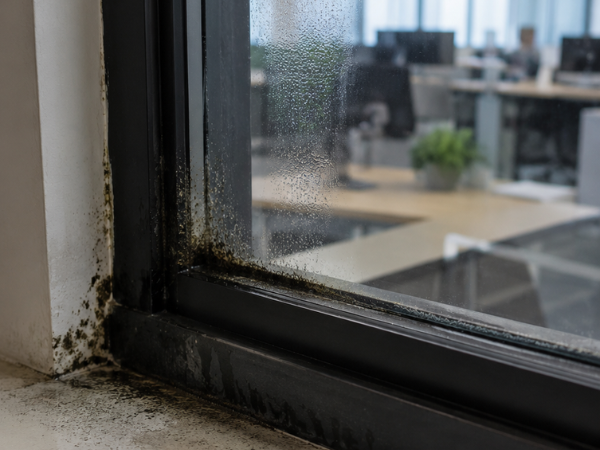
This is the most common cause by far. When air-conditioned indoor air meets a window surface that’s warmer on the outside, moisture in the air condenses on the glass and frame, particularly overnight when temperature differences are often greatest. Left to sit, that condensation soaks into the frame sealant, sill material, or nearby paint, creating the moisture mold needs.
Mold Around Window mold that keeps coming back despite regular wiping usually means the moisture source hasn’t actually changed — only the visible symptom has been temporarily removed. Getting a proper assessment can identify whether it’s condensation, a seal issue, or something more. Get a quote from Mold Free.
Wind-Driven Rain Through Frame Seals
During Singapore’s monsoon periods, particularly the Northeast Monsoon, wind-driven rain can force water past window seals that would otherwise keep out normal rainfall. This is more noticeable on higher floors and units facing the prevailing wind direction, and it tends to introduce moisture directly into the frame and surrounding wall, rather than just onto the glass surface.
Degraded Sealant and Weatherstripping
Sealant around window frames breaks down over time from UV exposure, temperature cycling, and general wear. Once it cracks or shrinks away from the frame, it stops doing its job of keeping moisture out, and small gaps can let in enough water over time to sustain mold growth even without an obvious storm event.
Aircon Units Mounted Near Windows
Wall-mounted aircon units positioned close to windows can contribute condensation runoff that ends up affecting the nearby Mold Around window frame or sill, particularly if the unit’s own drainage isn’t functioning properly. The combination of two condensation-producing surfaces close together compounds the moisture load in that specific area.
Curtains and Blinds Trapping Moisture
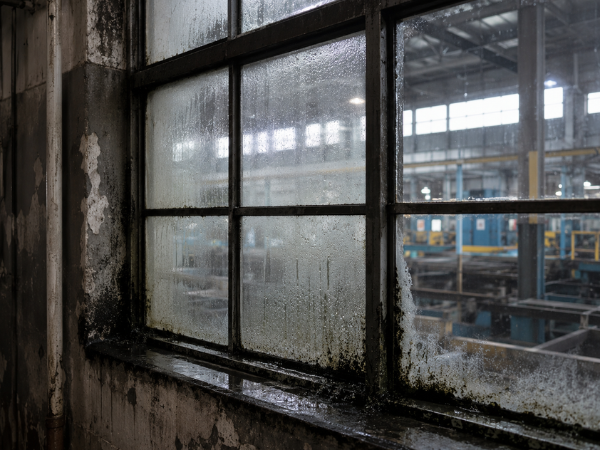
Heavy curtains or blinds that stay closed against a window with regular condensation can trap moisture between the fabric and the glass, reducing airflow and extending how long the surface stays wet after each condensation cycle. Fabric curtains in particular can also absorb moisture directly and develop their own mold if they’re rarely opened or aired out.
Poor Drainage on Window Sills
Some window designs include weep holes or drainage channels meant to direct water away from the sill. If these become blocked with dust, debris, or insect nests, water can pool on the sill instead of draining away, extending the time the area stays wet after rain or heavy condensation.
Does Window Type Affect the Risk?
Aluminum vs. uPVC Frames
Aluminum frames, common in many Singapore homes, conduct heat and cold efficiently, which makes them more prone to condensation than materials with better thermal insulation. uPVC frames insulate better and tend to show less condensation-related mold, though the sealant and rubber gaskets used with uPVC windows can still degrade over time and become a moisture entry point if not maintained.
Casement vs. Sliding Windows
Casement windows, which seal by compression when closed, generally provide a tighter seal against wind-driven rain than sliding windows, which rely on overlapping tracks that can be more prone to gaps and require track maintenance to stay watertight. Sliding Mold Around window tracks can also collect dust and debris that holds moisture against the frame if not cleaned periodically.
Does Orientation Matter?
Windows facing the direction of prevailing wind-driven rain — often north or northeast-facing during the Northeast Monsoon period — tend to see more direct water exposure over time. Mold Around Windows on higher floors are also generally more exposed to wind-driven rain than lower floors, which are more sheltered by surrounding buildings and structures. This doesn’t mean other-facing or lower windows are immune, since condensation-driven mold doesn’t depend on orientation the way rain exposure does.
Where Mold Typically Starts Around a mold around window
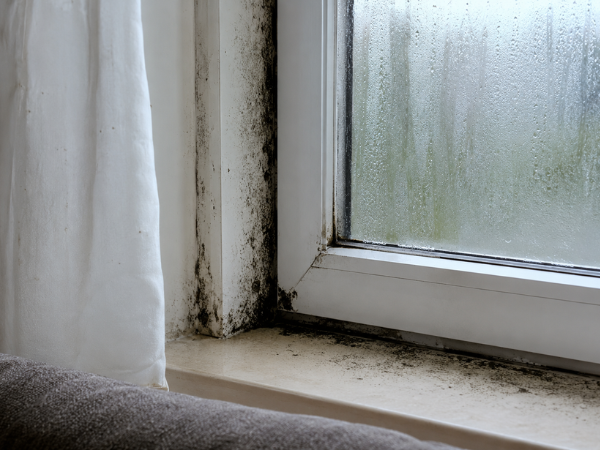
- Bottom corners of the frame, where condensation and rain both tend to collect and airflow is weakest
- Along the sill, especially if drainage is poor or the sill isn’t wiped down regularly
- In the sealant line between the frame and the wall, which is the first place degraded sealant tends to show a problem
- On the wall directly surrounding the mold around window, particularly the corners nearest the frame, where condensation can spread beyond the window itself
Preventing Mold Around Windows
Daily and Weekly Habits
- Wipe down condensation on glass and frames, especially first thing in the morning when overnight condensation is at its heaviest
- Open curtains or blinds periodically to allow airflow and let the window surface dry
- Clear mold around window sills and drainage channels of dust and debris regularly
- Run an exhaust fan or dehumidifier in rooms with persistent Mold Around window condensation
Longer-Term Fixes
- Inspect and replace degraded sealant or weatherstripping before it fully fails
- Consider mold Around window film or improved glazing in rooms with chronic condensation, particularly if the mold Around window is aluminum-framed
- Ensure aircon units near mold Around windows are properly drained and serviced
- Address any external factors, like gutters directing water toward a mold Around window, that increase exposure to wind-driven rain
When Window Mold Signals a Bigger Problem
Mold that’s limited to the glass and sealant line, wipes away easily, and doesn’t return quickly after cleaning and improved ventilation is usually a straightforward condensation issue. Mold that keeps returning despite regular wiping, spreads into the surrounding wall, is accompanied by soft or damaged frame material, or shows up alongside a musty smell that doesn’t clear with ventilation, suggests the moisture is coming from somewhere beyond simple condensation — most often a failing seal or an ongoing water ingress point that needs a proper assessment rather than continued surface cleaning.
FAQs
1. Why does mold around window keep coming back around my window even though I wipe it regularly?
If the underlying moisture source is ongoing condensation or a degraded seal, wiping only removes the visible symptom temporarily. The mold will keep returning until the actual moisture source — usually humidity control or a seal repair is addressed.
2. Does the direction my window faces affect mold risk?
Yes, for rain-driven mold around window. Windows facing the prevailing wind-driven rain direction, often north or northeast during Singapore’s Northeast Monsoon, tend to see more water exposure. Condensation-driven mold, by contrast, isn’t strongly affected by orientation.
3. Are aluminum window frames more prone to mold than uPVC?
Generally, yes, because aluminum conducts temperature more efficiently, which increases condensation. uPVC insulates better, though its seals and gaskets still need periodic maintenance.
4. Can curtains cause mold around a window?
Curtains themselves don’t cause mold around window, but heavy curtains that stay closed against a mold around window with regular condensation can trap moisture and extend how long the area stays wet, increasing the risk.
5. How do I know if window mold is from condensation or a leak?
Condensation-related mold around window tends to be limited to the glass, frame, and sealant line, and responds well to improved ventilation. Mold around window that spreads into the surrounding wall or is accompanied by soft, damaged material more often points to a leak or failing seal.
6. Is it normal to see condensation on windows every morning in Singapore?
Some condensation is common, particularly in air-conditioned rooms overnight. Persistent daily condensation that isn’t managed can eventually lead to mold, so it’s worth addressing with ventilation or a dehumidifier rather than treating it as unavoidable.
7. Do window weep holes matter for mold around window prevention?
Yes. Weep holes and drainage channels direct water away from the sill. If they’re blocked with dust or debris, water can pool instead of draining, extending how long the sill stays wet and increasing mold around window risk.
Mold Knowledge Centre
-

Can Mold Come Back After Removal?
-
How Long Does Mold removal Take?
-

Mold Removal vs Mold Remediation
-

Mold Around Windows: Causes and Prevention