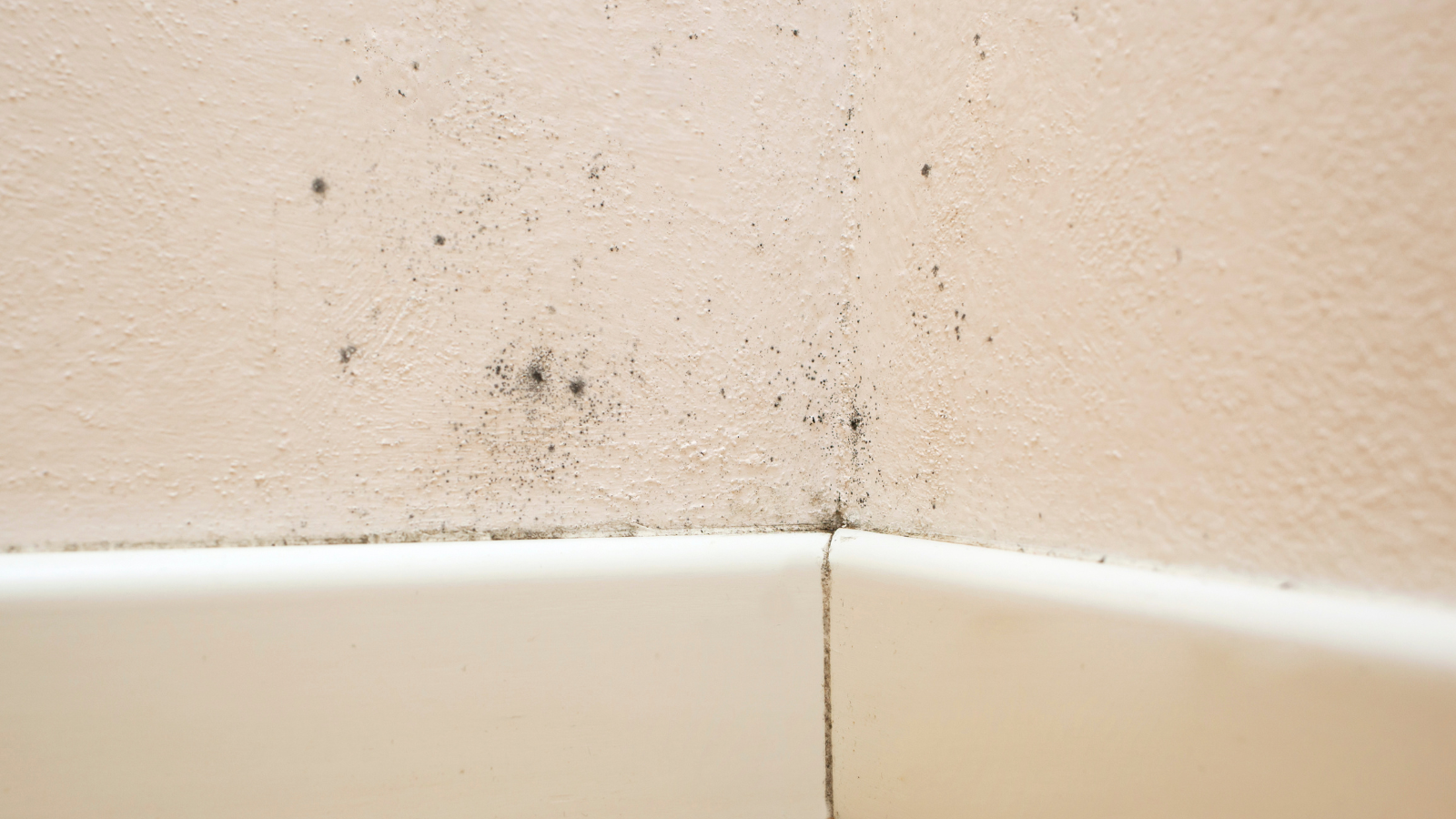
“Black mold” is one of the most searched mold terms — and one of the most misunderstood. This article explains what black mold actually looks like across different stages of growth, how to tell it apart from dirt, soot, mildew, and water stains, where it typically shows up in Singapore homes, why the color itself doesn’t confirm the species or the danger level, and what steps to take once it’s spotted. It also addresses the myths that drive most of the anxiety around this term.
Table of Contents
What Black Mold Typically Looks Like
Quick answer: Black mold usually appears as dark green-to-black patches with a slimy, fuzzy, or speckled texture, often spreading in irregular blotches or streaks rather than a single clean spot.
Color and Texture
Despite the name, “black mold” isn’t always pure black. It commonly ranges from dark green to charcoal grey to true black, and its texture can shift depending on moisture levels and how long it’s been growing:
- Fresh growth — Often slightly slimy or fuzzy to the touch, with a somewhat glossy or wet appearance
- Drier, older growth — Can look more powdery, chalky, or speckled as moisture reduces
- Heavily saturated areas — May appear almost shiny or dark and wet-looking, sometimes with visible droplets
This variability is one reason visual identification alone is unreliable — the same mold species can look noticeably different depending on the surface it’s growing on, how humid the environment is, and how long it’s been left undisturbed.
Not sure if what you’re looking at is mold, mildew, or just dirt? A professional inspection can confirm what it actually is and where it’s coming from, rather than guessing from a photo.
Book a mold inspection with Mold Free
How Appearance Changes as Mold Ages
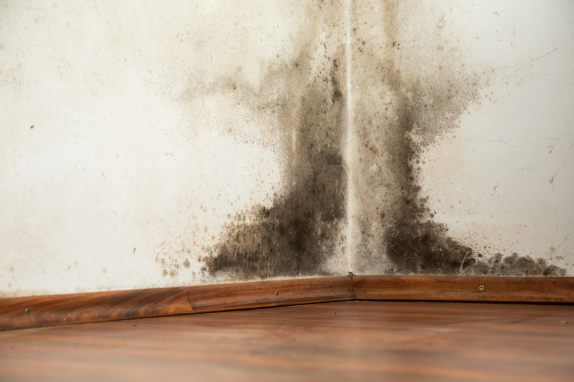
Mold doesn’t stay static once it appears. In the early stage, it often shows up as small, scattered dark specks, easy to mistake for dust or dirt. Left untreated, these specks merge into larger blotches over a period of days to weeks, and the edges become less defined as the colony spreads outward following available moisture. In advanced stages, mold can develop a raised, textured surface, and some species produce a visible fuzzy or hair-like growth under closer inspection. Understanding this progression matters because a homeowner comparing what they see to a photo online may be looking at an early or late-stage version of the same problem, and assume it’s a different substance entirely.
Common Growth Patterns
Black mold rarely appears as a single isolated dot. It typically spreads in:
- Circular or irregular blotches that expand outward from a moisture source
- Streaks following water paths, such as down a wall from a leak point above
- Speckled clusters concentrated around grout lines, corners, or seams
- Patchy growth along the bottom edge of walls, where moisture tends to collect
Where Black Mold Usually Appears in Singapore Homes
Bathroom Ceilings and Grout
The combination of constant humidity and limited airflow makes bathroom ceilings and grout lines one of the most common spots for black mold in Singapore homes, especially in HDB units without windows. Grout is particularly vulnerable because it’s porous and sits directly in the path of daily shower steam.
Window Frames and Wall Corners
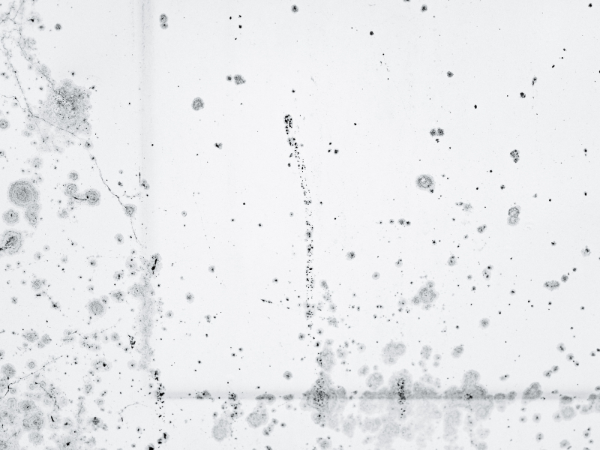
Condensation collects at window frames and wall corners, particularly in air-conditioned rooms where temperature differences between indoor and outdoor air are highest. Corners are especially prone because airflow tends to be weakest there, allowing moisture to linger longer than on open wall surfaces.
Air-Con Vents and Ducting
Moisture from condensation and poor drainage can create dark staining around air-con vents and grilles — often mistaken for dust buildup until it’s examined closely. Ducting that runs through ceiling voids can also hide mold growth that isn’t visible until it spreads to the visible grille area.
Behind Furniture and Inside Cabinets
Wardrobes, bookshelves, and cabinets placed flush against exterior or bathroom-adjacent walls block airflow, allowing moisture to build up in the gap between the furniture and the wall. This is one of the more commonly missed locations, since homeowners rarely check behind large furniture during routine cleaning.
Black Mold vs. Similar-Looking Substances
Not everything dark and blotchy is mold. Confusing mold with dirt, soot, or old water stains is common, and it leads to two opposite mistakes — either ignoring a real mold problem because it “just looks like dirt,” or panicking over a stain that isn’t mold at all.
Black Mold vs. Dirt or Soot
Dirt and soot tend to form an even, dry coating that doesn’t change much over time. Mold, by contrast, tends to have texture — some raised, slimy, or fuzzy quality — and it spreads or darkens if the moisture source isn’t addressed. A simple (though not definitive) test: dirt generally wipes away cleanly with a dry cloth, while mold tends to smear or leave residue.
Black Mold vs. Mildew
Mildew is often confused with mold because both thrive in damp conditions, but mildew is typically white, grey, or pale yellow rather than black or dark green, and it tends to stay on the surface rather than growing into the material underneath. Mildew is also usually easier to wipe away, while mold that has penetrated a porous surface will often return quickly after cleaning because the growth extends below what’s visible.
Black Mold vs. Water Stains
Water stains are typically brown, yellow, or tan, and appear as flat rings or discoloration without any change in texture. Unlike mold, a water stain won’t continue to spread or darken unless new moisture is introduced — a stain that hasn’t changed in weeks or months is more likely just residual staining from a past, resolved leak.
A Simple Comparison Table
| Substance | Appearance | Texture | Key Difference |
| Black mold | Dark green to black, irregular patches | Slimy, fuzzy, or speckled | Spreads over time; often musty smell |
| Dirt or soot | Grey-black, even coating | Dry, doesn’t smear when wiped with water | Doesn’t grow or spread on its own |
| Mildew | White to light grey or yellow | Powdery, flat | Usually surface-level; wipes off more easily |
| Water stains | Brown, yellow, or tan rings | Flat, dry | No texture change; doesn’t darken over time without new moisture |
Quick answer: The clearest tell is growth over time. Dirt and water stains stay static. Mold and mildew spread, darken, or expand if the moisture source isn’t addressed.
Can You Identify Black Mold by Sight Alone?
Quick answer: No. Visual appearance can suggest mold, but it cannot confirm the species or whether it’s a type associated with higher health concerns.
Why Visual ID Has Limits
Many different mold species can appear dark, blotchy, and slimy under the right conditions, and the same species can look different depending on the surface, lighting, and moisture level. This overlap in appearance means two homes could have visually similar mold problems caused by entirely different species, with different implications for cleanup and health.
What “Stachybotrys” Actually Means
The mold species most commonly referenced in “toxic black mold” discussions online is Stachybotrys chartarum. It’s important to understand that this is one specific species among many that can appear black or dark-colored — seeing dark mold on a wall doesn’t automatically mean this is the species present. Confirming the exact type requires laboratory analysis, such as a surface swab test or air sampling, not a visual comparison to photos found online.
When Lab Testing Is Worth Considering
Testing becomes genuinely useful in a few specific situations: before a property sale or purchase where mold history needs to be documented, when a household member has ongoing symptoms that seem connected to a specific area of the home, or when mold keeps returning despite repeated cleaning and the underlying cause isn’t obvious. In everyday situations — a small, isolated patch with a clear, fixable moisture cause — testing usually isn’t necessary before starting cleanup.
Is Black Mold More Dangerous Than Other Mold Colors?
What the Color Actually Indicates (and Doesn’t)
Mold color is influenced by species, age, lighting conditions, and the surface it’s growing on — not necessarily by how harmful it is. A white or green mold isn’t automatically safer than a black one, and a black mold isn’t automatically the specific toxic-associated species people often mean by the term. Treating color as a reliable danger indicator is one of the most common misconceptions homeowners have.
Health Considerations
Mold exposure in general — regardless of color — can affect indoor air quality and trigger symptoms in sensitive individuals, particularly those with allergies, asthma, or respiratory conditions. Common reactions can include irritation of the eyes, nose, and throat, or worsening of existing respiratory symptoms. If you or someone in your household is experiencing ongoing symptoms that seem linked to a damp area of the home, it’s worth speaking with a healthcare professional and having the area assessed rather than relying on the mold’s color as a health indicator either way. For a fuller look at mold’s health effects, vulnerable groups, and when to see a doctor, see our dedicated guide on whether mold is dangerous to your health.
Common Myths About Black Mold
“If it’s black, it’s automatically the dangerous type.” Not accurate. Color alone doesn’t confirm species, and several common, lower-concern mold species can also appear black or dark-colored.
“If it’s not black, it’s safe.” Also not accurate. White, green, and other-colored molds can still affect indoor air quality and trigger symptoms in sensitive individuals — color isn’t a safety indicator in either direction.
“A quick smell test can confirm it’s toxic black mold.” Most mold, regardless of species, produces a similar musty odor caused by microbial volatile organic compounds. Smell can indicate mold is present, but not which type.
“Small black spots aren’t worth worrying about.” Small visible patches often indicate a larger, hidden growth behind the surface, since visible mold is usually just the part that’s reached a paintable or exposed surface.
What to Do If You Spot Black Mold
Safe First Steps
- Avoid disturbing large areas of mold, as scrubbing or brushing can release spores into the air
- Keep the area ventilated if possible while assessing it
- Address any visible moisture source (leak, condensation, standing water) if it’s safe and easy to do so
- Take photos to track whether the area is spreading over the next few days
- Avoid painting over mold, which traps it rather than resolving it
When to Call a Professional Instead of DIY
Small, isolated patches on non-porous surfaces (like tile or glass) can sometimes be manageable with basic cleaning. But if the mold covers a large area, keeps returning after cleaning, or is on a porous material like drywall, wood, or fabric, it usually means the moisture source hasn’t been addressed — and DIY cleaning will only treat what’s visible, not what’s underneath or behind it.
7. FAQs
1. Is all black-colored mold toxic?
Not necessarily. “Black mold” is a common term people use, but many mold species can appear black or dark green without being the specific species most associated with higher health concerns. Confirming the type requires lab testing, not visual inspection.
2. Can black mold appear white or green depending on conditions?
Mold color can vary based on species, moisture level, lighting, and the surface it’s growing on. Color alone isn’t a reliable way to identify the species.
3. How can I tell mold apart from dirt on grout?
Dirt tends to stay the same over time and doesn’t usually have a slimy or fuzzy texture. Mold typically spreads, darkens, or changes texture if the moisture source isn’t addressed.
4. Is it safe to clean small patches of black mold myself?
Small, isolated patches on hard, non-porous surfaces can sometimes be cleaned safely. Larger areas, porous materials, or recurring mold usually indicate an underlying moisture issue that cleaning alone won’t fix.
5. Does black mold smell different from other mold types?
Most mold, regardless of color, produces a musty odor caused by microbial volatile organic compounds. Smell alone isn’t a reliable way to identify the specific type.
6. Can black mold grow on air-con vents?
Yes. Condensation and poor drainage around air-con units and ducting can create the moisture conditions mold needs, often appearing as dark staining around vents and grilles.
7. Do I need lab testing to confirm black mold?
If confirming the exact species matters for your situation — health concerns, a property transaction, or a recurring problem — lab testing through surface or air sampling is the only reliable method. Visual inspection alone can’t confirm species.
8. Why does mold look different in different parts of my home?
Appearance changes with moisture level, surface material, lighting, and how long the mold has been growing. The same species can look powdery in a drier spot and slimy in a consistently damp one.
Singapore Mold & Indoor Air Quality Articles
- Can Mold Come Back After Removal?
- How Long Does Mold removal Take?
- Mold Removal vs Mold Remediation
- Mold Around Windows: Causes and Prevention

- Ceiling Mold: Causes and Solutions

GET IN TOUCH
Schedule a Visit