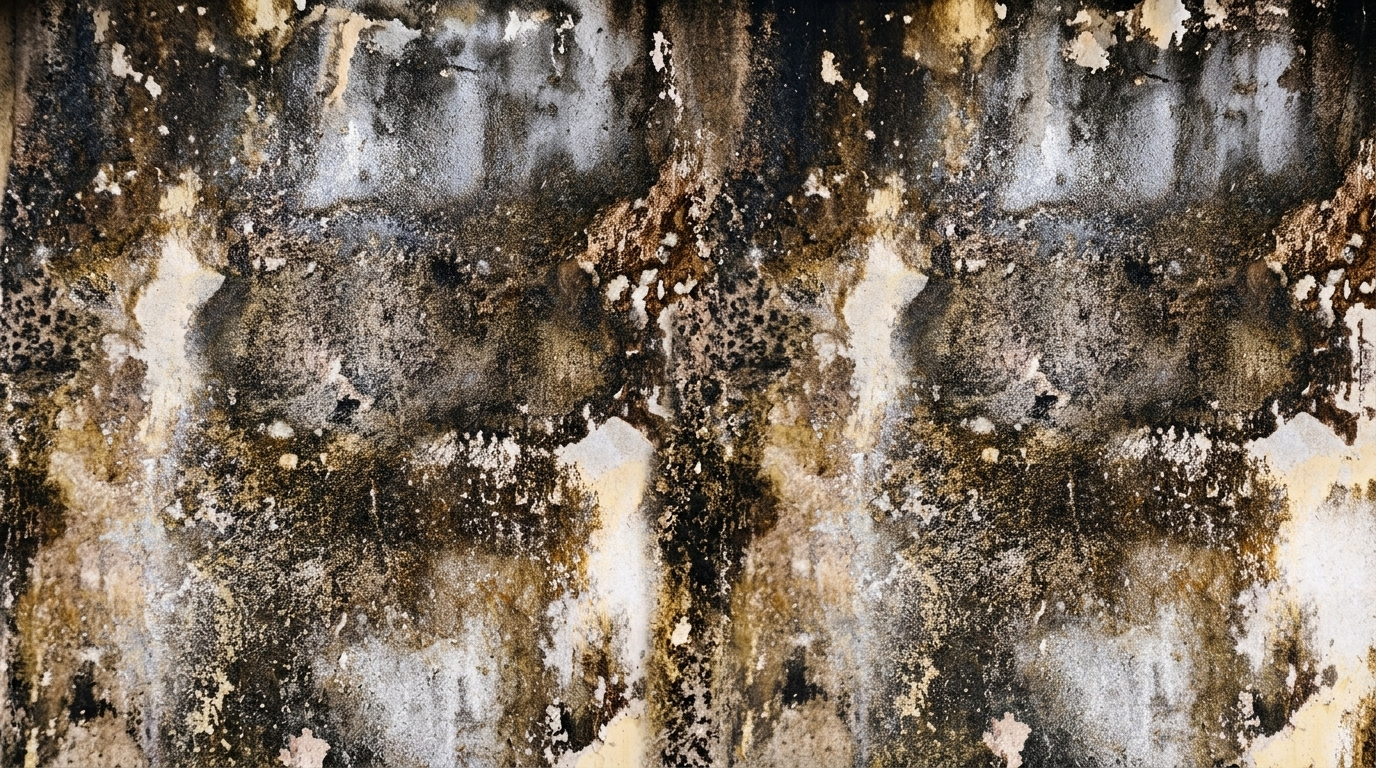
Walls are one of the most common places mold shows up in Singapore homes, but the reasons vary depending on the wall type, its location, and what’s happening on the other side of it. This article explains why walls specifically are so prone to mold, how interior walls differ from exterior-facing ones, why plasterboard and concrete walls behave differently, and what safe removal actually involves. It closes with guidance on which wall mold situations are reasonable to handle yourself and which call for a professional quote.
Table of Contents
Why Walls Are One of the Most Common Places for Mold
Walls make up more surface area in a typical home than any other single feature, and they sit at the intersection of several mold-friendly conditions at once: they’re often the coolest surface in a room relative to indoor air (encouraging condensation), they can be directly affected by what’s happening in adjoining rooms or outside the building, and many wall materials — plasterboard, wallpaper adhesive, paint with organic binders — provide exactly the kind of food source mold needs. Combined with Singapore’s consistently high humidity, walls end up as one of the first places mold becomes visible, even when the underlying cause is something else entirely, like a bathroom on the other side or a leak several floors up — see our guide on what actually causes mold to grow for the full picture of these conditions.
Interior Walls vs. Exterior-Facing Walls
Why Exterior-Facing Walls Are Higher Risk
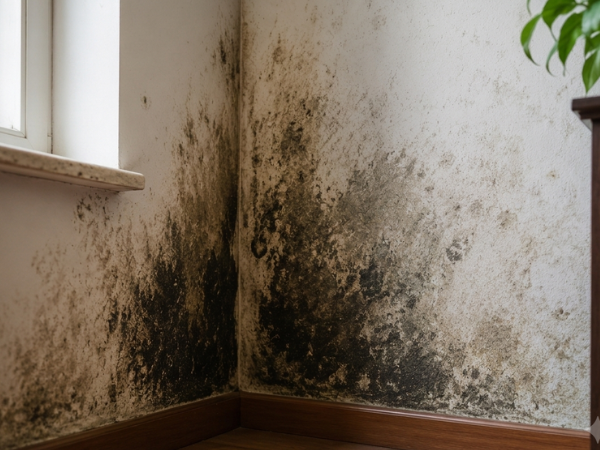
Exterior-facing walls are exposed to outdoor humidity and temperature swings on one side and cooler, air-conditioned air on the other. That temperature difference is exactly what drives condensation — moisture in the air condenses onto the cooler wall surface, particularly overnight or during heavy air-con use. Exterior walls are also more directly exposed to wind-driven rain, especially during Singapore’s monsoon periods, which can introduce moisture through small cracks, unsealed joints, or aging waterproofing. If you’re unsure whether condensation or a leak is driving the humidity, indoor air quality testing can help clarify what’s actually happening in the room.
Why Interior Walls Still Get Mold
walls Interior walls aren’t exposed to outdoor weather, but they’re not immune. A wall between a bathroom and a bedroom, for example, can develop mold from moisture passing through from the more humid side, especially if the wall material isn’t well sealed. Interior walls next to kitchens, laundry areas, or poorly ventilated storage rooms face a similar risk, just from an internal moisture source rather than an external one.
Wall can come from something as simple as poor airflow, or something more serious like a leak inside the wall cavity. Getting a quote starts with knowing what you’re actually dealing with. Get a quote from Mold Free.
Does the Type of Wall Matter?
Plasterboard and Drywall
Plasterboard (drywall) is porous and contains paper facing that mold can feed on directly. Once moisture penetrates the surface, mold can spread within the material itself, not just on top of it — which is why plasterboard mold often needs more than surface cleaning to fully resolve, and why it discolors and softens over time if the moisture issue isn’t addressed. This is also why a small visible patch on plasterboard can be a sign of something more extensive happening behind the surface — see our guide to hidden places mold can grow for more on what’s often happening out of sight.
Concrete and Masonry Walls
Concrete and masonry are less porous and don’t provide the same direct food source, but mold can still grow on dust, grime, or paint film sitting on the surface. Concrete walls are also prone to condensation because they hold and release temperature slowly, which can create a persistently cool surface relative to the surrounding air — a common condition in older HDB blocks.
Painted vs. Wallpapered Surfaces
Standard paint provides some resistance to mold, but paints with organic binders, or walls that have been repainted multiple times without addressing an underlying moisture issue, can still support growth. Wallpaper is generally higher risk, both because of the adhesive underneath and because it traps moisture against the wall rather than allowing it to evaporate.
Common Reasons Mold Appears on Specific Walls
Bathroom-Adjacent Walls
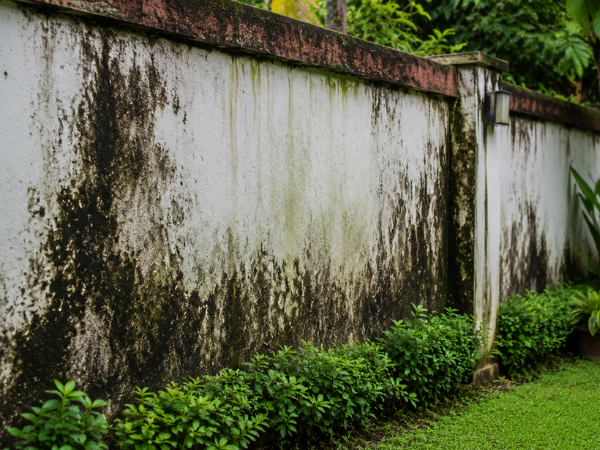
Walls sharing a boundary with a bathroom are exposed to steam and humidity on one side almost daily. Without adequate sealing or ventilation, that moisture can migrate through the wall structure and appear as mold on the other side, sometimes in a room that seems unrelated to any obvious moisture source.
Walls Behind Wardrobes and Furniture
Large furniture pushed flush against a wall restricts airflow, creating a pocket where humidity builds up and has no way to dissipate. This is one of the most common causes of wall that goes unnoticed for long periods, simply because the affected area isn’t visible during normal use of the room.
Walls Near Windows
Condensation collects most readily near windows, where indoor and outdoor temperature differences are most pronounced. Wall mold near windows is often concentrated in the upper corners or along the frame edge, where airflow tends to be weakest. Window frames and sills have their own specific causes worth understanding — see our dedicated guide to mold around windows.
Walls Shared With Neighboring Units
In HDB flats and condos, shared walls mean a leak or moisture issue in a neighboring unit can sometimes cause mold to appear on your side of the wall, even if nothing is wrong within your own unit. This is one of the more frustrating causes to diagnose, since the source may not be accessible without cooperation from the neighboring household or management.
External Walls Facing Prevailing Rain
Walls facing the direction of prevailing wind-driven rain — often north or northeast-facing during the Northeast Monsoon — tend to see more moisture exposure over time, particularly if external waterproofing or sealant has aged.
Where on the Wall Mold Tends to Start
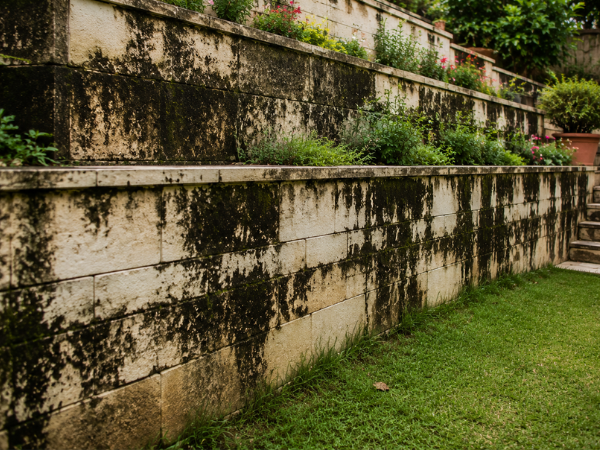
Mold on walls doesn’t appear randomly. It typically starts in a few predictable spots:
- Upper corners, where airflow is weakest and condensation collects — this is also where wall mold and ceiling mold often meet, since the causes can overlap at that junction (see our dedicated guide to ceiling mold if that’s where you’re seeing it)
- Lower corners near the floor, where moisture from flooring or rising dampness can migrate upward
- Along skirting boards, where gaps can allow moisture from flooring or adjacent rooms to enter
- Around window and door frames, where seals are more likely to have small gaps
Recognizing these patterns can help narrow down whether the cause is condensation, a structural leak, or moisture migrating from an adjacent space.
Is Wall Mold Always a Sign of a Leak?
Quick answer: No. Wall mold is often caused by condensation or humidity rather than an active leak, though a leak should still be ruled out if the mold is spreading, recurring, or accompanied by other signs like softening material or a strong musty smell — if the smell doesn’t match what you’re seeing, it’s worth checking what else commonly causes persistent household odours.
Condensation-driven tends to appear gradually, often in predictable spots like corners and near windows, and doesn’t usually come with other water damage signs like staining, warping, or a active damp patch. Leak-driven mold, by contrast, often appears alongside a visible stain, a soft or bulging patch on the wall, or a smell that’s noticeably stronger in one specific area. If you’re not sure which you’re dealing with, that uncertainty itself is a reasonable reason to get a professional opinion rather than guessing.
Cleaning Mold Off Walls: What’s Reasonable to DIY
Safe Cleaning Steps for Small, Surface-Level Patches
For small, isolated patches on a painted, non-porous wall surface, basic cleaning can sometimes be effective:
- Ventilate the room before starting
- Clean the affected area gently, avoiding aggressive scrubbing that can release spores into the air
- Dry the area thoroughly afterward
- Monitor the spot over the following days and weeks to see if it returns, watching for the common visible signs of mold growth reappearing
What DIY Cleaning Won’t Fix
DIY cleaning addresses what’s visible on the surface, not what’s happening inside the wall material or behind it. If the mold is on plasterboard, has spread beyond a small, contained patch, keeps returning after cleaning, or is accompanied by softening, bulging, or a persistent smell, surface cleaning is unlikely to resolve the underlying issue — and repeated cleaning without addressing the moisture source can end up being more time and effort than getting it assessed properly the first time. If you’re not sure exactly what you’re looking at, our guide to what black mold actually looks like can help, and if a persistent smell lingers even after cleaning, professional odor removal addresses what surface cleaning often can’t.
When to Get a Professional Quote Instead
It’s worth getting a professional quote rather than continuing with DIY cleaning when:
- The mold covers a large area or keeps expanding
- It returns within days or weeks of being cleaned
- The wall material feels soft, bulging, or damaged
- You can’t identify an obvious cause (like a wardrobe blocking airflow) and suspect something structural
- The wall is shared with a bathroom, neighboring unit, or the exterior, and you can’t rule out a leak
A quote typically starts with an assessment of the affected wall and the likely cause, which determines whether the fix is as simple as improved ventilation and a surface treatment, or requires opening up the wall to address a moisture source directly. Mold Free’s mold removal service includes this assessment as the first step, rather than pricing blind off a description alone.
Frequently Asked Questions About Mold
1. Is mold on plasterboard walls worse than on concrete walls?
Plasterboard is more porous and provides a direct food source for mold, so growth can spread within the material itself, not just on the surface. Concrete is generally more resistant, though condensation can still cause surface.
2. Does wall mold always mean there’s a leak?
No. Condensation and humidity alone can cause wall without any active leak, though a leak should be ruled out if the mold keeps spreading or is accompanied by other signs like softening or staining.
3. Can mold from a neighbor’s unit appear on my wall?
In HDB flats and condos with shared walls, yes — moisture issues on one side of a shared wall can sometimes lead to appearing on the other side, even without any problem in your own unit.
4. Is it safe to paint over mold on a wall?
No. Painting over mold traps it rather than removing it, and it will typically continue growing underneath the new paint layer, sometimes causing the paint to bubble or peel again later. See our comparison of DIY vs professional mold removal for what actually resolves this instead.
5. Why does mold often appear in the corners of walls first?
Corners tend to have the weakest airflow in a room, which allows condensation and humidity to linger longer than on open wall surfaces, making them one of the earliest and most common starting points for wall.
6. How can I tell if wall mold is just surface-level or more serious?
Surface-level mold is usually confined to a small area on a hard, painted surface without any softening or bulging. If the wall material feels soft, the area is expanding, or there’s an accompanying smell or staining, it’s likely more than a surface issue — and if anyone in the household has symptoms that seem linked to it, our guide on whether mold is dangerous to your health is worth a read too
7. Why does keep appearing on the same wall no matter how often I clean it?
This usually means the underlying moisture source — condensation, a slow leak, or restricted airflow — hasn’t been addressed. Cleaning removes visible mold but not the cause, so it tends to return in the same spot. If this pattern sounds familiar, it’s worth reading when it’s time to call a mold removal company rather than continuing to clean.
Latest Mold Insights
- Can Mold Come Back After Removal?
- How Long Does Mold removal Take?
- Mold Removal vs Mold Remediation
- Mold Around Windows: Causes and Prevention
- Ceiling Mold: Causes and Solutions
Don’t let mold spread and affect your indoor air quality. Our certified specialists provide professional mold inspection, safe remediation, and long-term prevention solutions across Singapore.