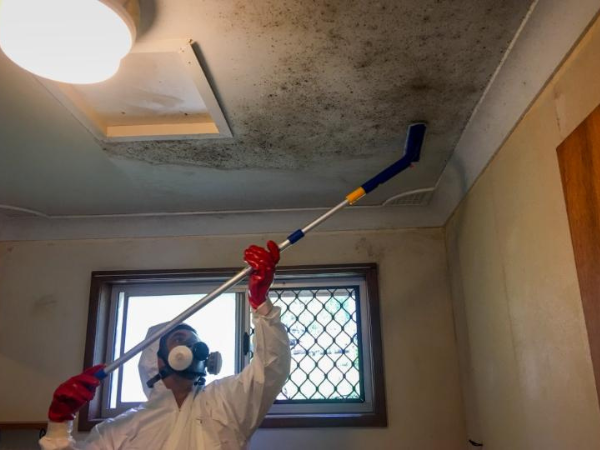
Mold removal timelines vary more than most people expect, ranging from a single day for a small, contained job to a week or more for extensive or structurally complex problems. This article breaks down the factors that actually determine how long a job takes, walks through what happens during each stage of the process and roughly how long each stage takes, and explains why drying time — not just the physical removal — is often the biggest factor in the overall timeline, especially in Singapore’s humidity.
Table of Contents
Timelines depend heavily on what’s actually found once the work starts, which is why an upfront inspection matters — it gives you a realistic estimate before anything begins, not just a guess. Get a quote from Mold Free.
The Short Answer: Typical Timeline Range
Mold removal timelines commonly range from about 1 to 5 days for most residential jobs, though the exact duration depends heavily on the size of the affected area, how severe the infestation is, and what materials are involved — a range confirmed in more detail in our general guide to understanding mold. Larger or more complex jobs – extensive commercial spaces, or situations involving structural drying after water damage – can take longer.
What Actually Determines How Long a Job Takes
Size of the Affected Area
A small, isolated patch in a bathroom corner takes far less time to treat than mold that’s spread across an entire ceiling or multiple rooms. Larger areas require more containment setup, more treatment time, and more surface area to clean and monitor afterward.
Severity and How Deep the Mold Has Spread
Surface-level mold on a hard, non-porous material can often be treated relatively quickly. Mold that has penetrated porous materials like drywall, wood, or fabric, or that has been growing for an extended period, generally requires more intensive treatment and sometimes material removal, which adds time.
Type of Material Affected
Hard surfaces like tile, glass, and painted concrete are quicker to treat than porous materials. Drywall, wood, carpet, and fabric often need to be more thoroughly treated or, in more severe cases, partially removed and replaced, which extends the timeline beyond just the cleaning step.
Accessibility of the Affected Area
Mold in an easily accessible location, like an open wall surface, is quicker to address than mold inside a wall cavity, behind built-in furniture, inside ducting, or in a ceiling void. Accessing these areas safely and correctly takes additional time, and sometimes requires more careful containment to avoid spreading spores during the work.
Whether the Cause Has Been Identified in Advance
If the moisture source is already known and resolved before the job starts, the process is generally more predictable — understanding what actually causes mold to grow beforehand helps here. If the cause is still unclear, additional time may be needed during the inspection phase to identify it, and there’s a higher chance of finding more extensive hidden growth once work begins.
What Happens at Each Stage, and How Long It Takes
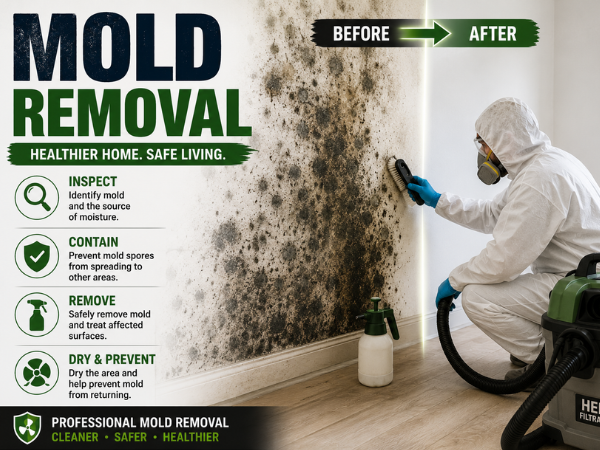
Based on a typical structured mold remediation process, here’s roughly how the stages break down:
Inspection
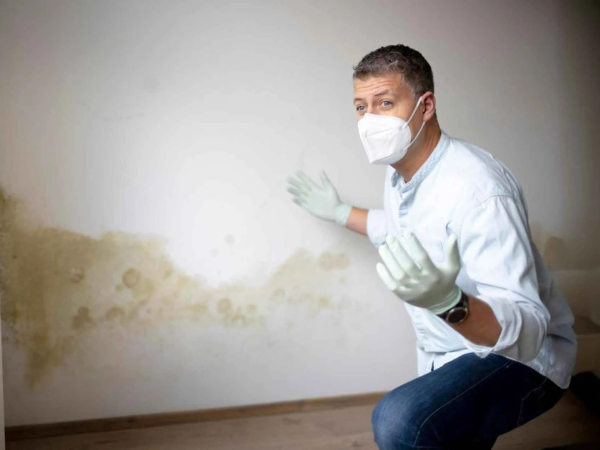
Usually completed in a single visit, often on the same day as the initial consultation. This stage identifies the extent of the mold and the likely moisture source using tools like moisture meters and thermal imaging, and it’s what a realistic timeline estimate for the rest of the job is based on.
Containment Setup
For most residential jobs, setting up containment — using air scrubbers and negative air pressure to keep spores from spreading to unaffected areas — typically takes a few hours at the start of the treatment day, before active removal begins.
Removal and Treatment
This is the core of the job and the stage most affected by the size and severity factors above — see the difference between mold removal and remediation for what’s actually included in this stage. A small, contained patch might be fully treated within a few hours. A larger or more severe problem, especially one involving multiple rooms or extensive porous material, can take one to several days of active treatment.
Cleaning and Sanitization
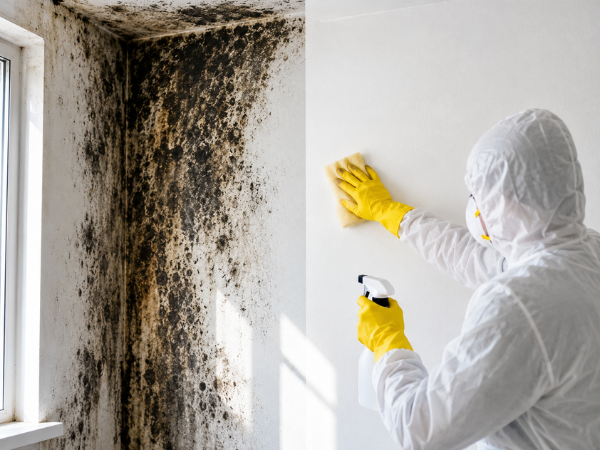
Once mold has been treated, the surrounding area is cleaned and disinfected to reduce residual spores and odor. For most jobs, this is completed on the same day as removal, though larger jobs may need this step spread across more than one day.
Drying and Monitoring
After treatment, the area typically needs time to dry completely before any preventive coatings are applied or the space is considered fully resolved. This stage can add anywhere from several hours to a day or more, depending on humidity levels and how much moisture was present to begin with.
Why Drying Time Often Matters More Than Removal Time
In Singapore’s climate, drying time is frequently the most underestimated part of the overall timeline. High ambient humidity means treated surfaces don’t dry as quickly as they would in a drier climate, and if an area isn’t fully dried before the job is considered complete, it increases the risk of the problem returning. This is one of the reasons dehumidifiers and air scrubbers are often used through the later stages of a job, not just during active treatment — they help manage the drying process in an environment where the air itself isn’t doing much of that work on its own.
Small Job vs. Large Job: What Changes
| Small, Contained Job | Large or Complex Job | |
| Example | Isolated bathroom ceiling patch | Multi-room mold, extensive wall cavity growth |
| Typical duration | Within a single day | Several days, sometimes longer |
| Containment needs | Minimal | Extensive, may require sealing off sections of the property |
| Material involvement | Usually surface treatment only | May involve partial material removal and replacement |
| Drying time impact | Lower | Higher, especially with extensive porous material affected |
Illustrative Timeline by Common Scenario
These are general illustrations based on typical job characteristics, not fixed quotes — actual timelines should always come from an in-person inspection. They’re meant to give a rough sense of scale rather than a precise estimate for any specific property.
| Scenario | General Scale | Why |
| Small bathroom ceiling patch, clear cause already fixed | Lower end of the range | Contained area, hard surface, minimal drying needed |
| Full bathroom with mold on walls and ceiling | Low-to-mid range | Larger surface area, more containment and drying time |
| Bedroom wall mold from a slow leak, drywall affected | Mid range | Porous material may need partial removal, plus drying time |
| Whole HDB flat after a flood or major leak | Higher end of the range or beyond | Multiple rooms, extensive drying, possible material replacement |
| Commercial office floor or large retail space | Can extend beyond typical residential range | Larger footprint, more equipment and containment setup, scheduling around business hours |
Do You Need to Vacate the Property During Treatment?
Whether you need to leave the property during treatment depends mainly on the size of the job and which rooms are affected. For a small, contained job in one room, most households can reasonably continue using the rest of the property, sometimes avoiding the treated room for a period while it’s worked on and dries. For larger jobs involving containment across multiple rooms, heavier use of chemical treatments, or ozone-based odor treatment, it’s often more comfortable — and sometimes recommended — to arrange to be elsewhere for part of the process, particularly for members of the household who are more sensitive to strong smells or airborne particles. This is worth discussing directly during the inspection stage, since it depends on the specific treatment methods planned for the job.
Testing and Clearance After Treatment
Some jobs include a follow-up test after treatment is complete, to confirm mold levels have returned to a normal range before the space is considered fully resolved. This isn’t part of every job, but where it’s included, it typically adds time after the physical work is finished — the area needs to be fully dry and settled before a meaningful sample can be taken, and lab analysis of the sample itself takes additional time beyond the visit. If clearance testing matters to you, for example before re-occupying a room used by someone with respiratory sensitivities, it’s worth asking whether it’s included and how it affects the overall timeline before the job begins. It’s also worth understanding what actually determines whether mold comes back after treatment, since that shapes how much weight to put on clearance testing versus ongoing monitoring.
What Can Extend the Timeline Unexpectedly
- Discovering hidden mold mid-job — Opening up a wall or moving furniture sometimes reveals a larger problem than what was initially visible, since mold often grows in places you can’t see during a routine check
- The moisture source not being fully resolved before work starts — This can require pausing to address the source before treatment can proceed effectively
- Material that needs replacement rather than treatment — Severely affected drywall, wood, or carpet may need to be removed and replaced, which adds time beyond cleaning alone
- High humidity slowing the drying stage — Particularly relevant during Singapore’s wetter months, when ambient humidity is higher
- Access restrictions — Furniture that needs to be moved, tight spaces, or areas that require special equipment to reach safely
- Coordination with a neighboring unit — If the moisture source involves a shared wall or the unit above, resolving the cause may depend on timing outside the mold company’s direct control
- Follow-up clearance testing — If included, this adds time after the physical work is finished while the area settles and a sample is analyzed
How to Get a More Accurate Estimate for Your Situation
Because timeline depends so heavily on what’s actually found, the most accurate estimate comes from an in-person inspection rather than a general answer based on the type of room or a rough description over the phone. Mold Free’s mold removal service starts with exactly this kind of inspection, which identifies the extent of the problem and the likely cause before any work begins, allowing for a realistic estimate rather than a guess that might not hold up once the job starts.
FAQs
1. Can mold removal be completed in a single day?
For small, contained, surface-level mold with an already-identified and resolved cause, yes — many small residential jobs can be completed within a single day.
2. Why do some mold removal jobs take much longer than others?
The main factors are the size of the affected area, how deep the mold has spread into the material, whether porous materials need replacement rather than just cleaning, and how long the area takes to fully dry afterward.
3. Does Singapore’s humidity affect how long mold removal takes?
Yes, primarily through the drying stage. High ambient humidity means treated areas take longer to dry completely, which can extend the overall timeline compared to a drier climate.
4.Is the inspection included in the overall timeline, or separate?
Inspection is typically a separate initial step, often completed in a single visit before the main treatment work is scheduled, and it’s what the rest of the timeline estimate is based on.
5. What happens if more mold is found once the job has started?
If hidden mold is discovered during the process — for example, behind a wall or under flooring — the scope and timeline may need to be adjusted to address the additional area properly. See our guide to where mold tends to hide for the locations most likely to surprise you mid-job.
6. Should I plan to be away from home during mold removal?
This depends on the size and location of the job, and the treatment methods being used. Smaller, contained jobs often don’t require homeowners to leave, while larger jobs, especially those affecting multiple rooms or involving stronger chemical or ozone treatments, may be more comfortable to wait out elsewhere.
7. Does clearance testing add time to the overall timeline?
Yes, where it’s included. The treated area needs to be fully dry and settled before a meaningful sample can be taken, and lab analysis adds further time beyond the visit itself. It’s worth asking upfront whether testing is included and how it affects the schedule.
8. Can a job take longer than initially quoted?
Yes, particularly if hidden mold is discovered once work begins, if the moisture source turns out to be more complex than expected, or if humidity slows the drying stage. This is why an upfront inspection, rather than a phone estimate, tends to produce a more reliable timeline — Mold Free’s process starts with one for exactly this reason.
Expert Mold Advice
Don’t rely on a guess. Book an inspection to understand the extent of the problem, what treatment may be required, and how long the process is likely to take.