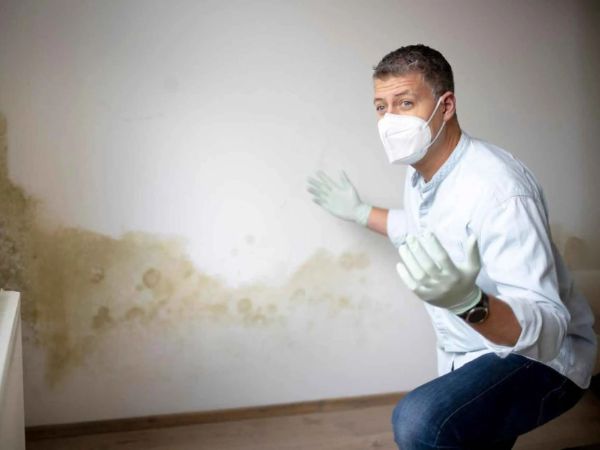
Even after professional mold removal, mold can return — and understanding why helps set realistic expectations rather than assuming either that a single treatment guarantees a permanent fix, or that any recurrence means the job was done poorly. This article explains what actually determines whether mold comes back, the difference between a treatment failure and a new, unrelated problem, what a recurrence warranty typically covers and doesn’t, and the homeowner’s ongoing role in keeping treated areas mold-free. It closes with what to do if mold does reappear after a professional job.
Table of Contents
Can Mold Actually Come Back After Professional Removal?
Quick answer: Yes, mold can return even after professional removal, though a properly done job significantly reduces the likelihood compared to DIY cleaning. Recurrence usually points to either an incompletely addressed moisture source, a new and unrelated issue, or ongoing conditions — like persistently high humidity — that make some baseline risk unavoidable in Singapore’s climate.
This is worth stating plainly upfront, because it’s easy to assume that professional treatment should mean mold never returns under any circumstances. In reality, professional mold remediation dramatically lowers the risk and addresses causes that DIY cleaning typically can’t reach, but it doesn’t create permanent immunity, particularly in a climate where ambient humidity alone supplies much of what mold needs to grow.
Why Mold Sometimes Returns Even After Proper Treatment
The Moisture Source Wasn’t Fully Resolved
Even in a well-executed job, some moisture sources are harder to fully resolve than others. A leak from a neighboring unit, for example, might be identified and reported, but the actual repair depends on someone else’s timeline and cooperation — this is a common scenario covered in more depth in our guide to ceiling mold causes, since leaks from the unit above are one of the more frustrating causes to fully resolve. In these cases, the treatment itself can be done correctly, but the underlying cause outside the property boundary may not be fully within the mold company’s control.
A recurrence warranty is one of the clearest signals of how confident a company is in their process — not just their pricing. Understanding what’s covered, and what it takes to keep it that way, helps you know what to expect after the work is done. Get a quote from Mold Free.
Structural or Building Factors Outside the Original Scope
Some causes — thermal bridging through a structural element, degraded waterproofing membranes, or aging building materials — may require more extensive construction or waterproofing work than a mold remediation service is scoped to provide. A remediation job addresses the mold and the immediate moisture condition, but if the root structural cause needs separate contractor work, recurrence risk remains until that’s also addressed. Some of these sources are also simply hidden from view at the time of the original treatment, which is part of why recurrence isn’t always a sign anything was done wrong.
A New, Unrelated Moisture Issue
Mold returning in the same general area doesn’t always mean the original problem wasn’t fixed. A new leak, a different ventilation issue, or a change in how a room is used (for example, starting to dry laundry indoors in a previously mold-free room) can introduce a new moisture source that has nothing to do with the original treatment.
Singapore’s Baseline Humidity
Because Singapore’s average outdoor humidity sits around 82% year-round, some level of ongoing risk is simply part of living in this climate — see what actually causes mold to grow for the full picture of these conditions. A properly treated area with good ventilation and humidity control significantly lowers this risk, but it doesn’t reduce it to zero the way it might in a drier climate — which is part of why prevention habits after treatment matter as much as the treatment itself.
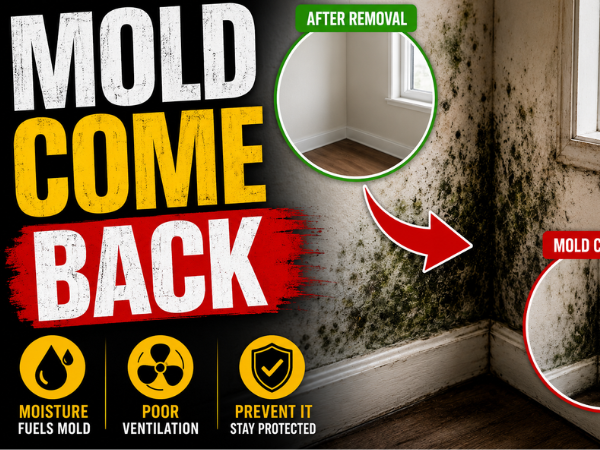
Treatment Failure vs. a New Problem: How to Tell the Difference
| Signal | More Likely Treatment Issue | More Likely New Problem |
| Timing | Mold reappears within days to a few weeks of treatment | Mold appears months later, after previously being clear |
| Location | Same exact spot as before | A different area of the room or property |
| Extent | Similar or larger than the original area | Small and distinct from the original treated area |
| Cause | No new moisture event identified | A new leak, habit change, or humidity spike can be identified |
This distinction matters because it determines the right next step — a suspected treatment issue is usually covered under a recurrence warranty, while a genuinely new problem is typically treated (and priced) as a new job, even if it’s in a similar location to the original.
What a Mold Recurrence Warranty Typically Covers
What’s Usually Included
A recurrence warranty generally covers mold returning in the same treated area within a defined period after the original job, on the basis that this points to the original moisture source not being fully resolved. Many providers in Singapore offer a warranty period in the range of several months to about nine months, reflecting confidence that if the underlying cause was properly addressed, recurrence within that window is unlikely.
What’s Usually Excluded
Warranties typically don’t cover mold caused by a new, unrelated issue — a fresh leak, a change in how the space is used, or damage from an external event like flooding. They also generally don’t extend to areas of the property that weren’t part of the original treated scope, even if the new area is nearby.
Questions Worth Asking Before You Book
- Mold come back how long is the recurrence warranty, and does it start from the treatment date or the final inspection date?
- Does it cover the exact treated area, or does it extend to immediately adjacent areas that share the same moisture source?
- What would void the warranty — for example, not addressing a related maintenance recommendation the company provided?
- Is a follow-up visit included if mold returns within the warranty period, or is it a discount on a new job instead?
Mold Free’s mold removal service includes a 9-month warranty against recurring mold, which is worth using as a reference point when comparing answers to these questions against other providers.
The Homeowner’s Role After Treatment
Humidity and Ventilation Habits
Keeping indoor humidity below roughly 60%, running exhaust fans during and after showers and cooking, and avoiding practices like drying laundry in enclosed rooms all directly support whatever the treatment achieved. These habits don’t require special equipment in most cases — they’re the same everyday practices that reduce mold risk anywhere in the home, just especially important in a recently treated area while it re-establishes a stable, dry condition.
Monitoring the Treated Area
Periodically checking the treated area, particularly in the weeks immediately following treatment, makes it easier to catch any early signs of recurrence — a faint discoloration, a returning smell — before it becomes a larger issue. It’s worth knowing the common visible signs of mold growth so you recognize a recurrence quickly, and if the discoloration looks dark, our guide to what black mold actually looks like can help confirm what you’re seeing. If it’s a smell without any visible change, it’s worth checking what else commonly causes persistent household odours before assuming it’s a recurrence. Early detection also makes it easier to determine whether what’s happening is a genuine recurrence or something new, since less time has passed for other explanations to become plausible.
Addressing New Issues Quickly
If a new leak, a maintenance issue, or a change in the home’s ventilation occurs after treatment, addressing it promptly reduces the chance that it develops into a new mold problem in or near the previously treated area. This is particularly relevant for shared-wall situations in HDB flats and condos, where staying aware of any reported issues from neighboring units can help you respond quickly if something might affect your own property.
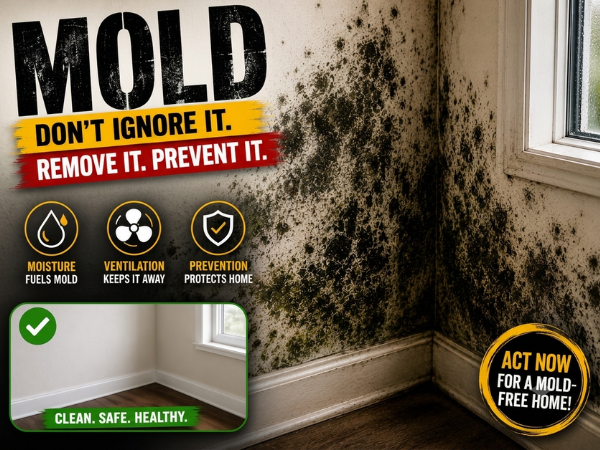
Does DIY Removal Have a Higher Recurrence Rate?
Generally, yes, and the reason comes back to scope rather than effort. DIY cleaning typically addresses only the mold that’s visible on a surface, without the moisture-source diagnosis, containment, and material-level treatment that a professional process includes. This means the visible mold may be gone, but the conditions that allowed it to grow in the first place — a leak, a ventilation gap, mold that had already spread within a porous material — are often still present. This is one of the most common reasons homeowners find themselves cleaning the same spot repeatedly: each cleaning removes what’s visible, but nothing has changed about why it grew there. For a fuller comparison of what each approach actually involves, see our dedicated guide comparing DIY and professional mold removal.
What to Do If Mold Returns After Professional Treatment
If mold reappears after a professional job, the most useful first step is checking whether it matches the “treatment issue” or “new problem” pattern described earlier — same location and short timeframe suggests the former, a different area or longer gap suggests the latter. From there, contacting the original provider is worthwhile in either case: if it falls within a warranty period, they should be able to address it as agreed, and if it’s a new issue, they already have context on the property that can make diagnosing the new problem faster than starting from scratch with a different provider. If you’re wondering what that follow-up process looks like, our guide to how long mold removal takes covers what to expect timeline-wise.
FAQs
1. How long after mold removal should I expect it to stay away?
This depends on how well the original moisture source was resolved and how consistently humidity and ventilation are managed afterward. Many providers offer a recurrence warranty period of several months to around nine months as a general benchmark of confidence in their process.
2. Is it normal for mold to come back at all after paying for professional removal?
Some baseline risk remains, particularly in Singapore’s humid climate, but a properly done professional job should significantly reduce the likelihood compared to DIY cleaning. Recurrence in the same spot within a short period after treatment is worth raising with the provider, especially if a warranty applies.
3. Does a mold warranty cover any mold anywhere in my home?
No. Warranties typically cover the specific treated area for a defined period, and generally exclude new, unrelated moisture issues or areas outside the original scope of work. Mold Free’s mold removal service includes a 9-month warranty against recurrence in the treated area specifically.
4. What’s the difference between mold coming back and a new mold problem?
Mold returning in the exact same spot within a short time of treatment, without any new moisture event, usually points to the original cause not being fully resolved. Mold appearing in a different area, or after a longer gap with an identifiable new cause, is more likely a separate issue.
5. Can I do anything after treatment to reduce the chance of mold coming back?
Yes. Keeping humidity below roughly 60%, using exhaust fans consistently, avoiding drying laundry indoors in enclosed spaces, and monitoring the treated area for early signs all support the treatment’s results over time. This is especially worth doing in condensation-prone spots like walls and windows if that’s where the original problem was.
6. Is DIY mold removal more likely to result in recurrence than professional treatment?
Generally, yes, because DIY cleaning typically addresses only visible mold without diagnosing or resolving the underlying moisture source, which is often what determines whether mold returns.
7. If mold returns, should I go back to the same company or find a new one?
In most cases, returning to the original provider makes sense, particularly if it’s within a warranty period — they already have context on the property and the original treatment, which can make resolving a recurrence faster than starting over elsewhere.
8. Does Singapore’s humidity mean mold will always eventually come back somewhere in my home?
Not necessarily “always,” but some baseline risk is unavoidable given the climate. This is why ongoing prevention habits matter even after a successful professional treatment, rather than treating the job as a one-time, permanent fix
Mold Knowledge Centre
Don’t leave recurring mold to chance. Get professional advice on the cause, treatment and next steps for your property.